
Chapter 21
Chapter in one sentence
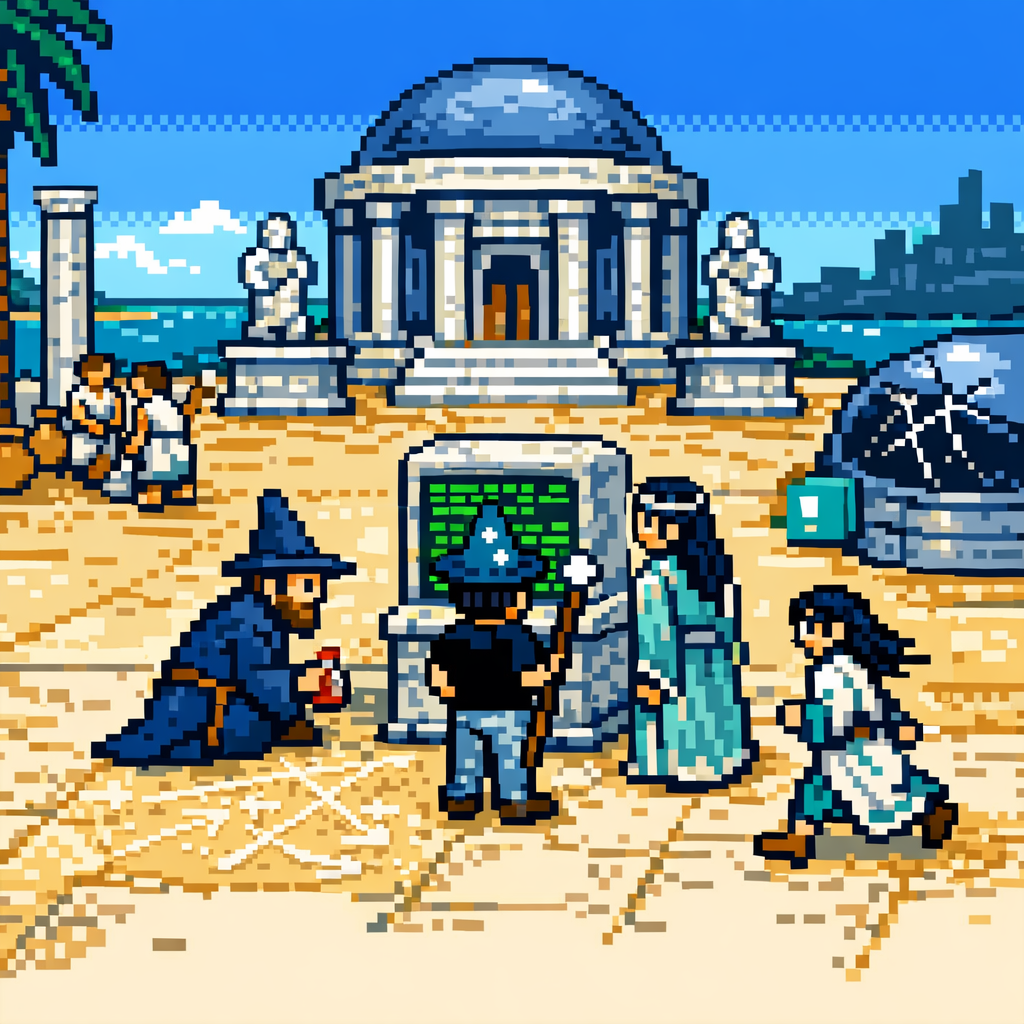
TL;DR: The investigation tightens. Martin and Phillip retrace the spell signature against staff schedules and surface a name no one wants to say in front of the triumvirate: someone in President Ida's household.
Spoilers through Chapter 21.
The investigation hits the awkward part — the part where the suspect is sitting at the table.
What happens
A working session in the small investigation chamber. Martin and Phillip lay out their evidence on a long marble table. The spell's signature, plus the cast point inside the council building, plus the time windows of the two attacks, plus a careful cross-reference of who had access to those windows: a pattern that runs through the household staff of one of the three people at the head of the city. Ida.
Phillip and Martin discuss what to do with the result. Telling Brit the Elder feels right and feels dangerous in equal measure — she may already know, and her response will shape everything that follows. Telling Brit the Younger feels obligatory; she's the target. Telling Ida feels like checkmate against themselves. They settle on a quiet approach: bring it first to Brit the Elder in private, see how she responds, then decide.
The chapter ends with that private conversation half-set-up. Phillip will go. Martin will keep working.
Key moments
- The evidence laid out on the table. The book commits to the procedural texture of having proved something.
- The decision tree about who to tell. The book treats it like a real strategic problem rather than a plot beat.
- The choice to bring it to Brit the Elder first. The reader is invited to wonder how much of that is because Phillip trusts her and how much is because of his growing closeness with the Younger.
Character shifts
Phillip leads the decision. Martin defers without resentment. The investigative cell has become a real working unit.
Why it matters
The chapter is the last hinge before the third act. Once the cast says Ida's household out loud to someone in power, the conspiracy will move — and the book is staging the rest of the novel accordingly.
Themes to notice
- The politics of accusing a peer.
- The trust calculus among the investigative cell.
- Brit the Elder's foreknowledge as a resource and a danger.
Book club questions
- Phillip's choice to brief Brit the Elder first is partly tactical, partly personal. Did the book persuade you it was the right call?
- Ida's name in this chapter has not yet been said out loud to Ida. How long can the cast sustain that?
- Martin defers to Phillip on the strategic question. Is he learning, or is he holding back?
Visual memory hook
A long marble table strewn with scroll fragments, a small terminal-green diagnostic overlay floating above one of them. Two sprites bent over the table — Phillip with the chairman's seal in his hand, Martin with his phone. A single chair across the table, empty, where the conversation about who-to-tell is happening as if the absent third party were there.
What's next
Phillip's private conversation with Brit the Elder. She is going to react the way she has reacted to everything in this book — calmly, deliberately, and a beat ahead.