
Chapter 2
Chapter 2 — "Adapt — Go for the Gap"
TL;DR: When you're at the top of your game, change your game — because the moment of greatest success is the moment of greatest danger.
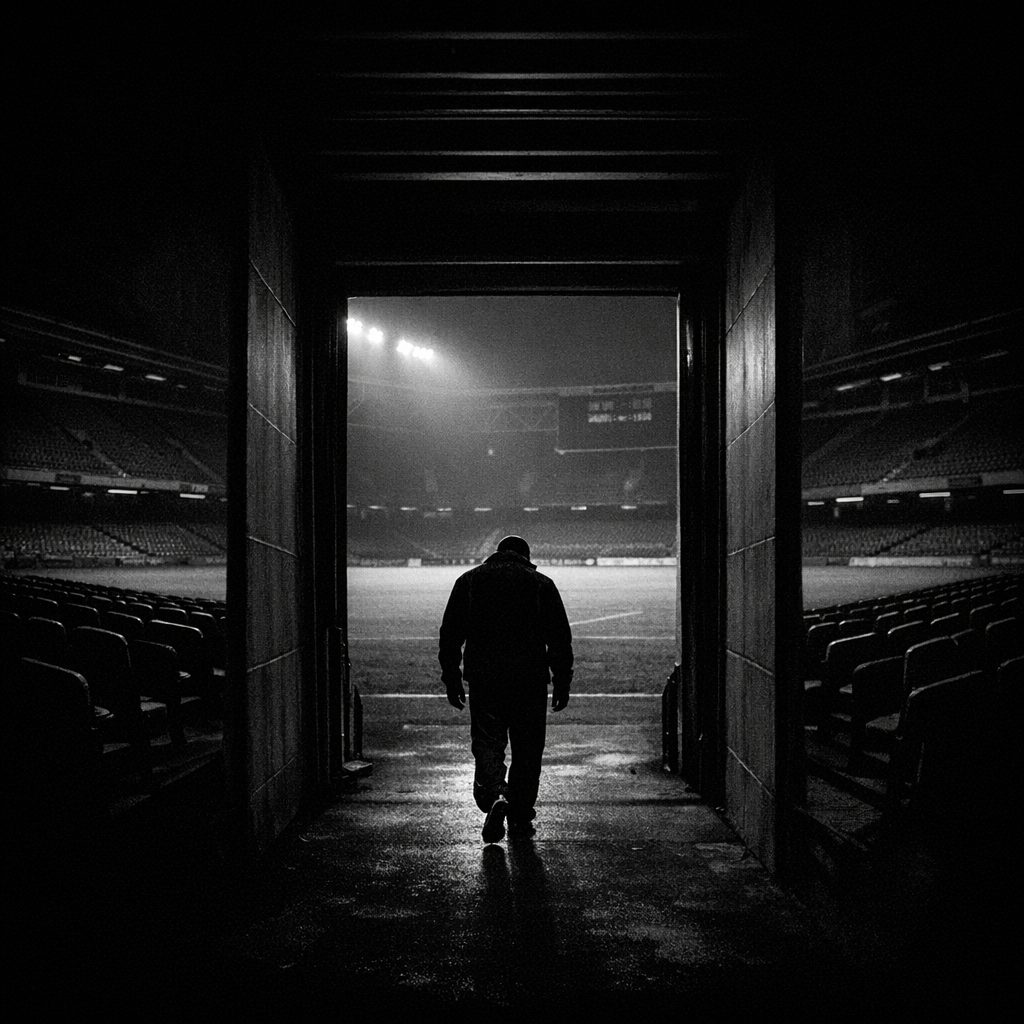
Summary: Chapter two opens on the wreckage of October 2007: the All Blacks, ranked number one in the world, are dumped out of the Rugby World Cup quarter-final by France in Cardiff. Kerr uses this loss as the pivot point of the entire book. Coaches Graham Henry, Wayne Smith, and assistant Steve Hansen are retained but only after a brutal post-mortem — and they respond not by tightening the old system but by rebuilding it from the studs up. The chapter explains a four-stage change architecture: establish the burden of why, articulate the future state, build the capability, and execute with credibility. The recurring image is the rugby pitch — a captain "going for the gap" through a defensive line — applied as a metaphor for organizational courage. The Māori notion of adaptive change is implicit: kia mau, kia ū (hold fast, but be willing to move). Kerr cites parallels in business — Apple post-iPhone, Toyota and kaizen — but keeps returning to the dressing room, where a leadership group of senior players is empowered to redesign their own standards.
Key scenes:
- Cardiff, October 2007: the moment after the final whistle, French players celebrating in the foreground while All Blacks heads drop in the back of frame
- A boardroom-style review with Henry, Smith and Hansen pinning a four-stage change diagram to a whiteboard
- A senior leadership group of players sitting in a tight circle, drafting new team standards in their own handwriting
- A defender's-eye-view of a fly-half spotting the gap and breaking the line — used as the chapter's visual metaphor
Characters present: Graham Henry (head coach), Wayne Smith (assistant coach), Steve Hansen (assistant coach), Richie McCaw, the Senior Leadership Group (composite), James Kerr (narrator)
Locations / settings:
- Millennium Stadium, Cardiff — empty stands at the end of a knockout match, a tunnel mouth, scoreboard glow
- An NZRU review room — a long table, a whiteboard with a four-step diagram, water glasses
- A modern training-ground meeting room with player chairs in a circle
Visual motifs: a chalkboard four-stage diagram; an open gap between two defenders; a hand reaching through a closing window of light; a stopwatch on a desk; the cover-style monumental black void with a single forward-leaning runner
Emotional tone: chastened, ruthless, forward-leaning, clear-eyed
Confidence: high — the 2007 loss is one of the most-discussed inflection points in modern rugby history; the four-stage change framework is documented in multiple reviews.